
High Speed Training says freezing does not usually kill harmful bacteria and food should be kept cold while it thaws.
Dr Richard Anderson, Learning Experience Director at High Speed Training, said: “Freezing food doesn’t usually kill harmful bacteria. The cold temperature halts or slows their growth, leaving the bacteria dormant until the food thaws.
“As food warms, bacteria can become active again and multiply, particularly if it is left at unsafe temperatures for too long. This is why it’s important to thaw food correctly.”
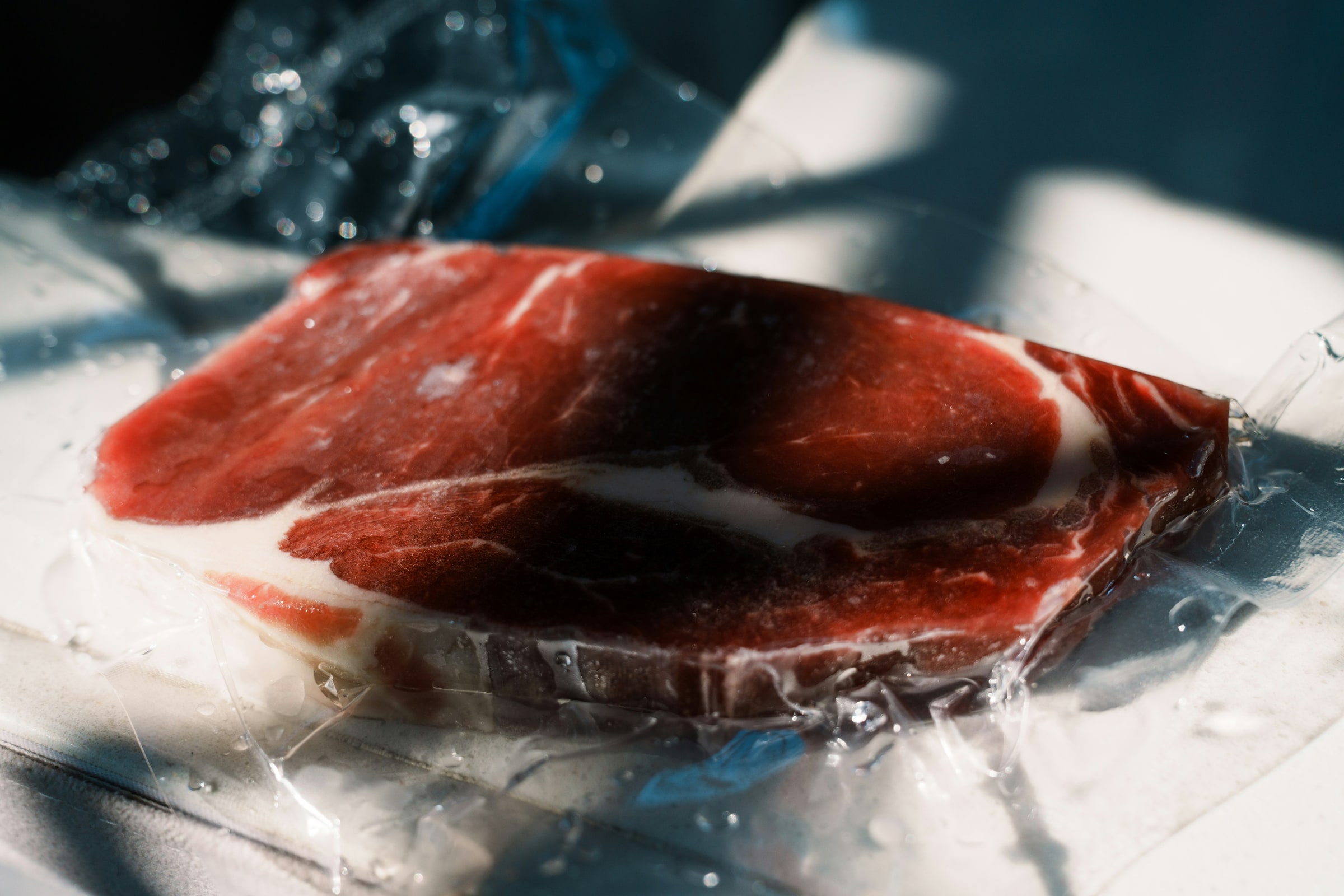
The company says defrosting food in a fridge is generally the safest method because it remains cold while thawing.
Food should be kept covered or in its original packaging. Raw meat, poultry and fish should be placed on a plate or in a container to catch liquid and kept away from ready-to-eat food.
Raw meat and poultry should be stored on the bottom shelf, with the fridge usually kept at 5°C or below.
Food can also be defrosted in a microwave, but High Speed Training says it should be cooked immediately afterwards because parts may begin to warm or cook during defrosting.
People using a microwave should use its defrost setting where available, follow the manufacturer's instructions and turn or rotate food if necessary.
Cold water can be used to defrost some food, although the company recommends using a fridge as the safer option. Food should remain securely packaged if cold water is used.
Warm or hot water should not be used to speed up defrosting because the outside of the food could become warm enough for harmful bacteria to multiply while the centre remains frozen.
Dr Anderson said: “Before defrosting food, always check the packaging for instructions as some frozen foods are designed to be cooked directly from frozen and don’t need to be thawed first.
“If the packaging provides specific defrosting or cooking instructions, follow these carefully.”
High Speed Training also advises against leaving food which needs refrigeration to defrost at room temperature.
Hands, surfaces and utensils should be cleaned after handling raw meat, poultry or fish, while fully defrosted food should remain refrigerated until it is ready to be cooked.
Dr Anderson added: “Taking care when thawing and defrosting food is a simple way to reduce the risk of food poisoning and cross-contamination.
“By keeping food cold while it thaws, following the manufacturer’s instructions for ready-made foods and taking extra care with raw meat, poultry and fish, you can ensure your food remains safe to eat.”